
Dog Periodontal Disease Stages
Periodontal disease in dogs is treated based on its stage, ranging from professional cleaning and at-home care for early stages to more advanced procedures like tooth extraction for severe cases. At Highland Pet Hospital in Lakeland, we diagnose and treat periodontal disease in dogs on a regular basis, and understanding the different dog periodontal disease stages can help pet owners recognize problems early, when treatment is simplest, least invasive, and most effective.
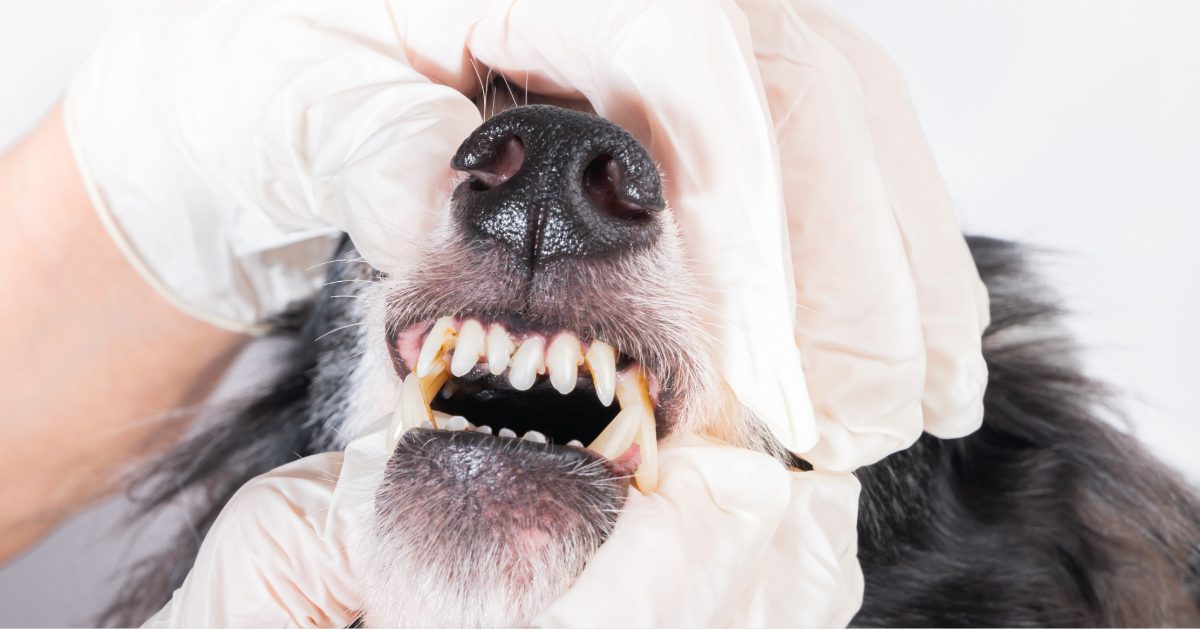
What Is Periodontal Disease in Dogs?
Periodontal disease is a progressive condition that affects the structures supporting a dog’s teeth, including the gums, ligaments, and bone. It begins with plaque accumulation and, without intervention, advances through distinct dog periodontal disease stages, each with increasing severity and treatment complexity. It’s estimated that a majority of dogs over the age of three show some signs of periodontal disease, which makes understanding these stages especially relevant for most pet owners, not just those with senior dogs.
What makes periodontal disease particularly tricky is that much of the damage happens below the gumline, out of sight during a casual look in your dog’s mouth. By the time visible symptoms appear, the disease may have already progressed further than expected, which is exactly why understanding the different dog periodontal disease stages matters so much for pet owners trying to stay ahead of it.
The Four Stages of Periodontal Disease in Dogs
Veterinary dentists classify periodontal disease in dogs into four stages, based on the degree of damage to the gums and supporting bone. Each stage reflects a measurable increase in bone loss, and each comes with its own treatment considerations.
Stage 1: Gingivitis
The earliest of the dog periodontal disease stages involves mild inflammation of the gums, often visible as redness or slight swelling along the gumline. You may also notice mild bad breath or a bit of blood on a chew toy. At this stage, there is no bone loss, and the condition is fully reversible with a professional cleaning followed by consistent at-home dental care. This is the stage where prevention efforts pay off the most.
Stage 2: Early Periodontitis
At this stage, mild bone loss begins beneath the gumline, typically less than 25 percent. Gums may bleed more easily, particularly during eating or chewing, and bad breath often becomes noticeable to anyone in the room. Treatment usually involves a thorough dental cleaning and closer monitoring going forward, along with a renewed focus on home dental care to prevent further bone loss.
Stage 3: Moderate Periodontitis
Bone loss increases to between 25 and 50 percent at this stage of periodontal disease in dogs. Teeth may start to loosen, and gum recession becomes more apparent, sometimes exposing the tooth root. Dogs at this stage may also show subtle behavior changes, such as chewing more cautiously or favoring one side of the mouth. Depending on the specific tooth and degree of damage, treatment may involve advanced cleaning techniques, root planing, or, in some cases, extraction.
Stage 4: Advanced Periodontitis
This final stage involves more than 50 percent bone loss, along with significant tooth mobility and often visible discomfort. Dogs at this stage may drop food while eating, show reluctance to chew altogether, or have visibly loose or missing teeth. At this point, affected teeth typically cannot be saved and require extraction to prevent ongoing pain and infection, along with the risk of bacteria spreading beyond the mouth.
How to Treat Periodontal Disease in Dogs
Treatment for periodontal disease in dogs depends heavily on which stage has been diagnosed. Highland Pet Hospital tailors treatment plans to each dog’s specific needs, but general approaches include:
- Professional dental cleaning under anesthesia to remove tartar above and below the gumline
- Dental X-rays to assess bone loss not visible during a physical exam
- Root planing or advanced cleaning techniques for moderate cases
- Extraction of teeth that are too damaged to save
- A customized at-home dental care plan following treatment
Early-stage periodontal disease in dogs is far easier and less costly to manage than advanced stages, which is one of the strongest arguments for routine dental checkups rather than waiting for obvious symptoms to appear.
Signs of Dental Disease in Dogs
Recognizing the early signs of dental disease can help you catch periodontal disease in dogs before it progresses to a more advanced stage. Common signs include:
- Persistent bad breath
- Red, swollen, or bleeding gums
- Yellow or brown tartar buildup on the teeth
- Reduced interest in chewing or eating
- Pawing at the mouth or face
These signs don’t always point to a specific stage on their own, which is why a hands-on exam is the only reliable way to know exactly where your dog falls among the dog periodontal disease stages.
Can Periodontal Disease in Dogs Be Reversed?
Only the earliest stage, gingivitis, is fully reversible. Once bone loss occurs in the later dog periodontal disease stages, the damage is permanent, though further progression can be slowed or stopped with appropriate treatment and ongoing care. This is why our team at Highland Pet Hospital emphasizes catching dental disease as early as possible, ideally before any bone loss has occurred at all.
Why Dental X-Rays Matter for Diagnosis
Because periodontal disease in dogs often causes damage below the gumline that isn’t visible during a standard exam, dental X-rays play a critical role in accurately staging the disease. Without X-rays, it’s easy to underestimate how advanced a dog’s periodontal disease truly is, since a tooth can look stable above the gumline while significant bone loss is occurring underneath. This is why Highland Pet Hospital includes dental radiographs as part of a thorough dental evaluation, allowing our veterinary team to identify exactly which stage each tooth has reached and plan treatment accordingly.
How Long Does It Take for Periodontal Disease to Progress?
The pace at which periodontal disease in dogs advances varies significantly from one dog to the next. Small-breed dogs, dogs with crowded teeth, and dogs without any at-home dental care tend to progress through the dog periodontal disease stages more quickly than others. Without intervention, it’s possible for a dog to move from mild gingivitis to more advanced stages within a couple of years, which is part of why annual dental exams are so valuable for catching changes early.
Preventing Progression Through Regular Care
The best defense against advancing dog periodontal disease stages is a combination of professional cleanings and consistent home care. Dogs who receive annual dental checkups are far more likely to have periodontal disease caught at stage one or two, when treatment is simpler and less invasive. Daily tooth brushing, dental chews, and routine wellness visits all work together to slow or prevent progression, giving your dog the best possible chance at keeping their natural teeth for life.
Protecting Your Dog’s Long-Term Oral Health
Periodontal disease in dogs doesn’t develop overnight, and it doesn’t have to progress unchecked either. With regular monitoring and timely treatment, most dogs can avoid the more serious later stages altogether. If it’s been a while since your dog’s teeth were evaluated, schedule a dental exam with Highland Pet Hospital in Lakeland so our veterinary team can determine exactly where your dog stands. Call us at (863) 644-6634 or make an appointment with our team today.
Recent Posts
About Us
At Highland Pet Hospital in Lakeland, FL, we provide full-service veterinary care, including wellness services and advanced reproductive care led by a board-certified theriogenologist. For more than 30 years, we’ve proudly served pets across Central Florida with a focus on compassionate, personalized care backed by advanced medical technology.