
Dog Bloat Symptoms
The most common symptoms of bloat in a dog include a visibly swollen or distended abdomen, unproductive attempts to vomit, restlessness, and drooling, and this condition requires immediate emergency veterinary care. Highland Pet Hospital in Lakeland wants every pet owner to be able to recognize dog bloat symptoms quickly, because bloat can become life-threatening within a matter of hours, and knowing what to look for can genuinely make the difference in your dog’s outcome.
What Is Bloat in Dogs?
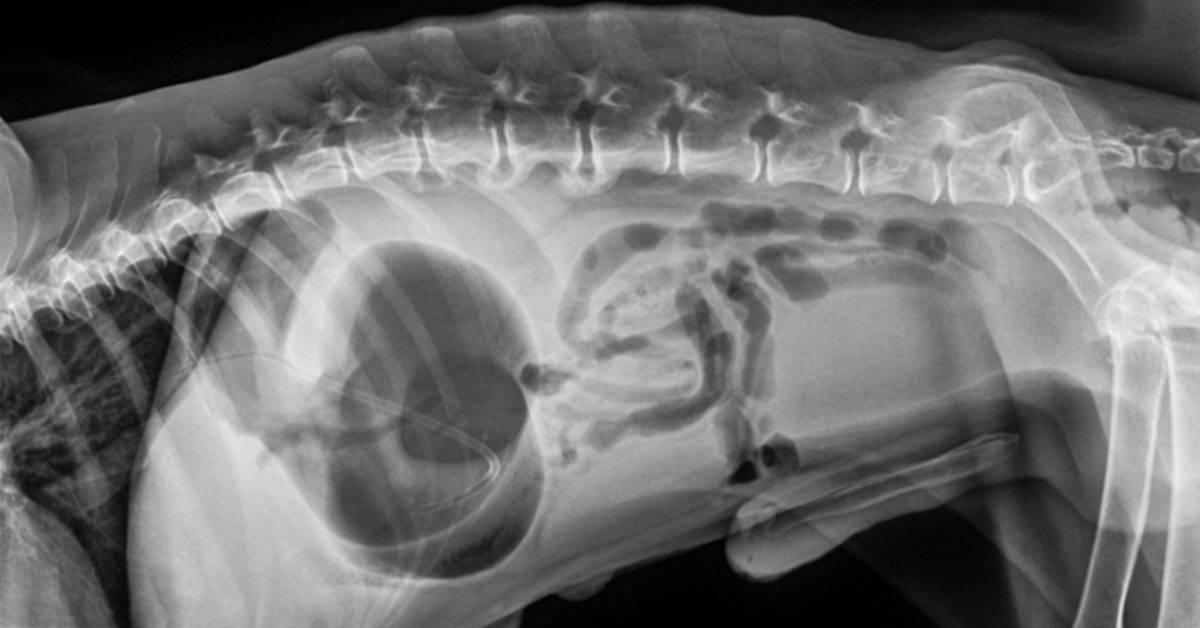
Bloat, medically known as gastric dilatation-volvulus (GDV), occurs when a dog’s stomach fills with gas and, in more severe cases, twists on itself. This twisting cuts off blood supply to the stomach and surrounding organs, making bloat one of the most urgent conditions in veterinary medicine. As the stomach expands and rotates, it can also compress major blood vessels, which is part of why a dog’s condition can deteriorate so rapidly once bloat begins. Recognizing dog bloat symptoms early can be the difference between a treatable condition and a life-threatening emergency.
What Are the Symptoms of Bloat in a Dog?
Dog bloat symptoms tend to appear suddenly and worsen quickly. Pet owners should be familiar with the following signs:
- A swollen, tight, or distended abdomen
- Repeated attempts to vomit with little or nothing coming up
- Restlessness, pacing, or an inability to get comfortable
- Excessive drooling
- Rapid breathing or an elevated heart rate
- Weakness or collapse in more advanced cases
- Pale or discolored gums as the condition progresses
Not every dog with bloat will show every symptom, and in some cases, dog bloat symptoms can be subtle at first before escalating rapidly. A dog may seem only mildly uncomfortable in the early minutes, which is exactly why any suspicion of bloat should be taken seriously rather than watched from a distance.
Signs of Bloat in Dogs That Are Easy to Miss
Some early signs of bloat in dogs are less obvious than a visibly swollen belly. Dogs may seem simply uncomfortable, restless, or unwilling to lie down. They may stretch repeatedly, look at their abdomen, or pace back and forth without settling anywhere. Because these signs of bloat in dogs can resemble general stomach upset, it’s important to consider bloat whenever a dog, especially a large or deep-chested breed, shows sudden gastrointestinal distress paired with restlessness rather than assuming it’s a minor stomach issue that will pass.
Which Dogs Are Most at Risk for Bloat?
While bloat can technically affect any dog, certain factors increase risk:
- Large or giant breeds with deep, narrow chests
- Dogs who eat quickly or in large amounts at once
- Dogs who exercise vigorously soon after eating
- A family history of bloat
- Older dogs, as risk tends to increase with age
Highland Pet Hospital encourages owners of at-risk breeds to be especially familiar with dog bloat symptoms, since early recognition is critical for these dogs in particular. Breeds such as Great Danes, German Shepherds, Standard Poodles, and other large, deep-chested dogs tend to appear most frequently in bloat cases we see.
Why Timing Matters So Much With Bloat
Bloat can progress from mild discomfort to a life-threatening emergency in as little as one to two hours. Because of how quickly the condition advances, any suspicion of dog bloat symptoms should be treated as an emergency rather than something to monitor overnight. Waiting to see if symptoms improve can significantly reduce a dog’s chances of a full recovery, since the twisted stomach continues to cut off blood flow the longer it goes untreated.
What Happens During a Bloat Emergency Visit
When a dog arrives at Highland Pet Hospital showing symptoms of bloat, our veterinary team moves quickly to stabilize the dog, which typically includes X-rays to confirm whether the stomach has twisted. Stabilization may involve intravenous fluids and decompressing the stomach to relieve pressure while the situation is assessed. If GDV is confirmed, emergency surgery is usually necessary to reposition the stomach and address any damage to surrounding tissue. During surgery, our veterinarians often perform a procedure called gastropexy, which tacks the stomach in place to reduce the likelihood of it twisting again in the future. The sooner a dog with dog bloat symptoms receives treatment, the better the overall prognosis tends to be.
What Does Recovery Look Like After Bloat Surgery?
Dogs who undergo surgery for bloat typically require a period of hospitalization afterward so our veterinary team can monitor heart rhythm, manage pain, and watch for complications. Recovery timelines vary depending on how advanced the bloat was at the time of treatment, but many dogs go on to fully recover and return to their normal routines with appropriate follow-up care.
Is It Possible for Bloat to Happen More Than Once?
Dogs who have experienced bloat once are at a higher risk of it happening again, particularly if a gastropexy wasn’t performed during the initial treatment. This is one of the reasons veterinarians often recommend gastropexy at the time of emergency surgery rather than treating the immediate episode alone. For dogs who haven’t experienced bloat but fall into a high-risk category, some owners choose to pursue a preventive gastropexy proactively, often at the same time as another routine surgery such as a spay, to reduce the risk before symptoms ever occur.
How Bloat Differs From Everyday Stomach Upset
It’s understandable that pet owners sometimes hesitate before rushing to the vet, since dogs can also experience minor stomach upset with similar symptoms. The key difference lies in how dog bloat symptoms progress. Ordinary stomach upset tends to improve within a few hours or resolve with rest, while bloat symptoms escalate rather than ease up. A dog with simple stomach upset is usually still able to get comfortable and may show interest in food again fairly quickly, whereas a dog experiencing bloat continues to appear increasingly distressed, restless, and unable to settle. When in doubt, treating the situation as a possible bloat emergency is always the safer choice.
Can Bloat in Dogs Be Prevented?
While there’s no guaranteed way to prevent bloat entirely, certain feeding and lifestyle habits are associated with lower risk:
- Feeding smaller, more frequent meals instead of one large meal
- Using slow-feeder bowls for dogs who eat too quickly
- Avoiding vigorous exercise immediately before or after meals
- Discussing preventive surgical options with your veterinarian for high-risk breeds
Our team at Highland Pet Hospital can help you evaluate your dog’s individual risk factors and discuss whether preventive measures, including a preventive gastropexy, make sense for your pet, particularly if they belong to a breed known for higher bloat risk.
Trust Your Instincts When You Notice Something Off
If you notice any combination of dog bloat symptoms, don’t wait to see if they resolve on their own. Bloat is one of the few conditions in veterinary medicine where minutes genuinely matter, and acting quickly gives your dog the best possible chance. If your dog is showing signs of bloat, call Highland Pet Hospital in Lakeland immediately at (863) 644-6634 or head to the nearest emergency veterinary facility without delay.
Recent Posts
About Us
At Highland Pet Hospital in Lakeland, FL, we provide full-service veterinary care, including wellness services and advanced reproductive care led by a board-certified theriogenologist. For more than 30 years, we’ve proudly served pets across Central Florida with a focus on compassionate, personalized care backed by advanced medical technology.