
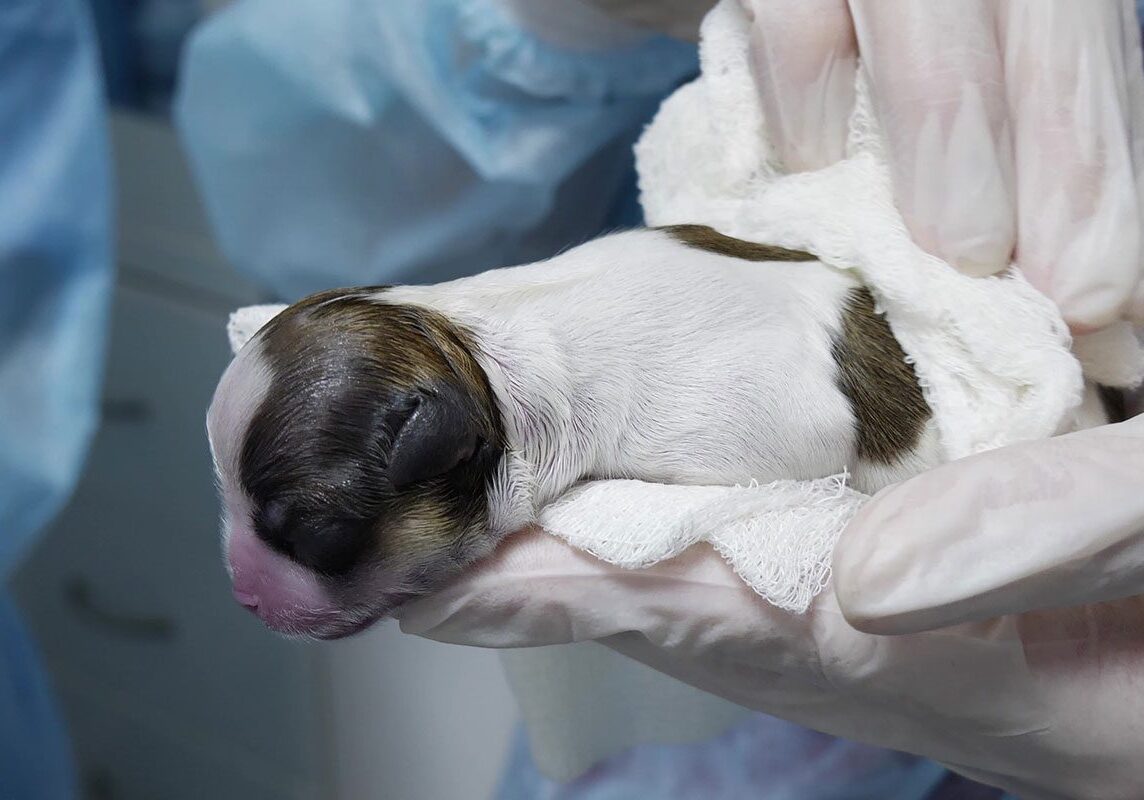
Not every pregnancy follows a predictable path. In some cases, a Cesarean section is the safest way to deliver a litter. Highland Pet Hospital provides cat and dog c-sections in Lakeland, FL, with a strong focus on timing, preparation, and careful decision-making.
The goal is always the same: protect the health of the mother while giving the puppies or kittens the best chance at survival. That requires more than performing surgery; it requires knowing when to act.
Call (863) 644-6634 or book your appointment online to discuss your pet’s delivery plan.
When Is a C-Section Necessary for Pregnant Pets?
C-sections may be planned in advance or performed on an emergency basis.
They are typically recommended when:
-
Labor does not begin or progress as expected
-
Puppies or kittens are too large to pass naturally
-
The litter is very small (such as a singleton pregnancy)
-
There is abnormal positioning within the uterus
-
The dam has a history of difficult deliveries (dystocia)
In many cases, these risks are identified during pregnancy monitoring, which allows for better planning and reduces the likelihood of an emergency situation.
Why Timing Is Critical for Pet C-Sections
Timing is the most important factor in a successful C-section.
Dogs have a relatively short gestation — about 63 days — but the window for safe delivery is much narrower. Viability is tied to ovulation timing, not breeding dates, and typically falls within a 4-day window between days 61 and 65.
If a C-section is performed too early, puppies may not have fully developed lungs and are unlikely to survive. However, if a C-section is done too late, the placenta may begin to fail, limiting oxygen and nutrient delivery
Because of this, scheduling a C-section based on accurate timing is essential. This is why monitoring throughout pregnancy, especially tracking ovulation, is so important.
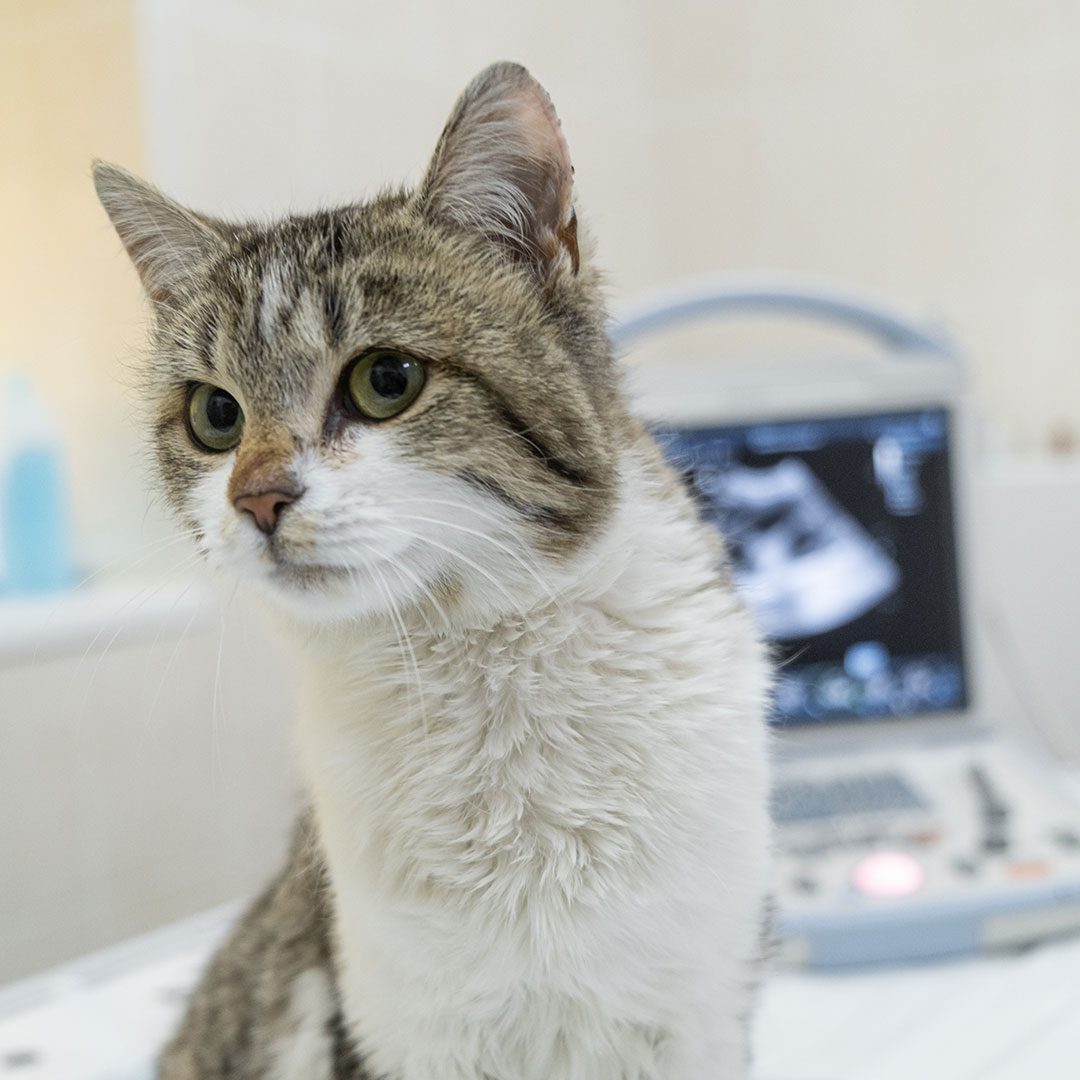
What Should I Expect During My Pet’s C-Section?
C-sections are performed under anesthesia in a controlled surgical setting.
Before the procedure, we review timing, risk factors, and your pet’s overall health. During surgery, the litter is delivered carefully, and both the dam and offspring are monitored closely.
After the procedure, the mother is supported through recovery while the newborns are assessed and stabilized as needed. Most pets go home the same day once they are stable.
Because every case is different, we’ll walk you through expectations based on your pet’s situation.
What Should I Expect After My Pet’s C-Section?
Recovery involves caring for both the dam and her litter. The mother will need rest, monitoring of the incision site, and support as she begins nursing. It’s important to watch for changes in appetite, behavior, or signs of discomfort.
Newborns should be monitored closely to ensure they are nursing well and gaining strength. We’ll provide guidance on what’s normal, what to watch for, and when to reach out. Our team remains available if questions come up during those first critical days.
Making the Right Call at the Right Time
Deciding whether to move forward with a C-section isn’t always straightforward. It’s based on a combination of timing, risk factors, and how the pregnancy is progressing.
At Highland Pet Hospital, we track key milestones throughout pregnancy so decisions aren’t made at the last minute. If a C-section becomes necessary, you’ll already have a plan in place.
If you’re approaching delivery or have concerns about your pet’s pregnancy, now is the time to talk through your options.
Call (863) 644-6634 or request an appointment online to plan ahead.