
Bad Breath in Dogs
That unmistakable whiff when your dog gives you a big, happy greeting isn’t just a quirky side effect of being a dog. Bad breath in dogs is most often caused by a buildup of odor-causing bacteria and plaque along the teeth and gums, though it can occasionally point to something happening deeper in the body. Most pet owners write it off as “dog breath” until the day it becomes hard to ignore, which is usually the moment something has shifted enough to notice. At Highland Pet Hospital in Lakeland, we walk pet owners through what’s actually going on behind that odor more often than almost any other concern that comes through our doors. In this blog, we’ll break down the most common causes of bad breath in dogs, the warning signs that suggest it’s time for an exam, and what you can do at home to help keep your dog’s breath and their overall health in good shape.
What Causes Bad Breath in Dogs?
While a little bit of “dog breath” is normal, persistent bad breath in dogs is usually a sign that something needs attention. The most frequent culprit is dental disease. When plaque isn’t removed regularly, it hardens into tartar, which harbors odor-causing bacteria along the gumline. Left untreated, this can progress into periodontal disease, which produces a distinctly foul smell.
Other common causes of bad breath in dogs include:
- Diet and the type of food your dog eats
- Foreign objects or debris stuck between teeth
- Oral growths or infections
- Underlying conditions affecting the kidneys, liver, or digestive system
Is Bad Breath in Dogs Always About Dental Disease?
Not always, but it’s the most common explanation by a wide margin. Our veterinarians at Highland Pet Hospital typically start by examining a dog’s teeth and gums when bad breath is the primary complaint, since dental disease accounts for the vast majority of cases. However, breath that smells distinctly like ammonia, sweet or fruity odors, or a sudden foul smell that doesn’t fit the usual pattern can sometimes point toward issues beyond the mouth, which is why a full exam matters.
How to Get Rid of Bad Breath in Dogs
Addressing bad breath in dogs starts with identifying the root cause, which is best done through a veterinary exam. That said, there are supportive habits that help manage day-to-day breath odor once dental disease has been ruled out or addressed:
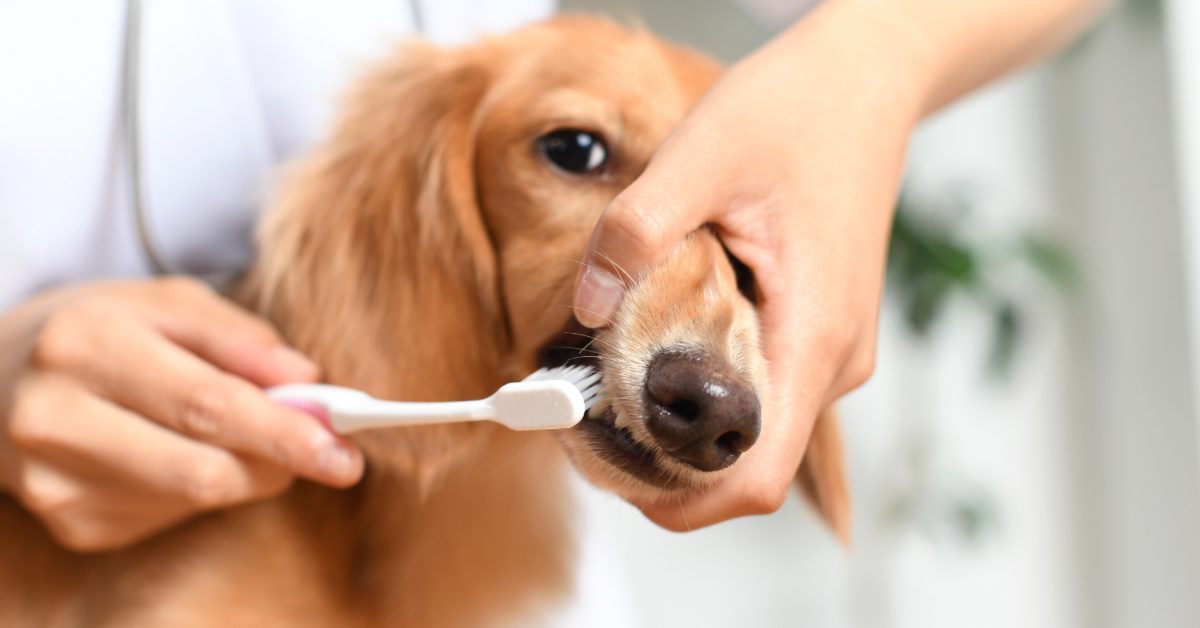
- Brushing your dog’s teeth regularly to reduce plaque buildup
- Providing dental chews or water additives designed to support oral health
- Scheduling routine dental cleanings to remove built-up tartar
- Feeding a consistent, quality diet appropriate for your dog’s age and breed
It’s worth noting that breath fresheners and home remedies only mask odor temporarily. They don’t address the bacteria or disease process causing bad breath in dogs in the first place, which is why a proper diagnosis matters more than a quick fix.
Puppy Breath vs. Bad Breath in Adult Dogs
Puppies often have a milder, less offensive mouth odor because their teeth haven’t accumulated years of plaque. As dogs age, the risk of dental disease and its associated bad breath increases substantially, particularly in small-breed dogs, who are especially prone to crowded teeth and periodontal issues. If you’ve noticed a shift from mild puppy breath to a stronger, more persistent odor, it may simply reflect normal aging, or it may indicate that dental disease has started to take hold.
When Bad Breath in Dogs Signals a Bigger Problem
Most of the time, bad breath in dogs is a dental issue rather than a medical emergency. However, certain breath characteristics warrant a prompt veterinary visit:
- A sudden, dramatic change in breath odor
- Breath accompanied by vomiting, lethargy, or loss of appetite
- A sweet or fruity smell, which can be associated with certain metabolic conditions
- An ammonia-like odor, which may point to kidney-related concerns
If you notice any of these warning signs alongside bad breath, schedule an appointment with Highland Pet Hospital so our veterinary team can evaluate what’s going on.
What to Expect During a Bad Breath Evaluation
When you bring your dog to Highland Pet Hospital for a bad-breath concern, our veterinarians will start with a thorough oral exam, checking the teeth, gums, and tongue for signs of plaque, tartar, inflammation, or growths. Depending on what we find, we may recommend a professional dental cleaning under anesthesia, which allows for a complete assessment below the gumline where problems often hide. In cases where the mouth appears healthy but bad breath persists, bloodwork may be recommended to rule out systemic causes.
Preventing Bad Breath in Dogs Long-Term
Once any underlying cause has been addressed, preventing bad breath in dogs comes down to consistent oral care. Daily or near-daily tooth brushing remains the single most effective home strategy, supplemented by dental chews and regular checkups. Dogs who receive routine dental care throughout their lives tend to have noticeably fresher breath and fewer serious dental problems as they age compared to dogs who don’t.
Your Dog’s Breath Is Trying to Tell You Something
Bad breath in dogs is easy to dismiss as just a quirky part of pet ownership, but it’s often one of the earliest signs that something needs attention. Paying attention to changes in your dog’s breath, and addressing them early, can prevent more serious dental or medical issues down the road. If your dog’s breath has you concerned, our team at Highland Pet Hospital in Lakeland is here to help you get to the bottom of it. Call us at (863) 644-6634 or make an appointment with our team today.
Recent Posts
About Us
At Highland Pet Hospital in Lakeland, FL, we provide full-service veterinary care, including wellness services and advanced reproductive care led by a board-certified theriogenologist. For more than 30 years, we’ve proudly served pets across Central Florida with a focus on compassionate, personalized care backed by advanced medical technology.