
How to Brush Dog’s Teeth
Knowing how to brush dog’s teeth properly comes down to using a soft-bristled, dog-specific toothbrush and enzymatic dog toothpaste, then gently working in small circles along the gumline for about 30 seconds per side. At Highland Pet Hospital in Lakeland, we know that learning how to brush a dog’s teeth for the first time can feel intimidating, but with the right approach, it becomes a quick, stress-free part of your daily routine. This guide walks you through exactly how to brush dog’s teeth, step by step, so you can protect your pet’s oral health for years to come.
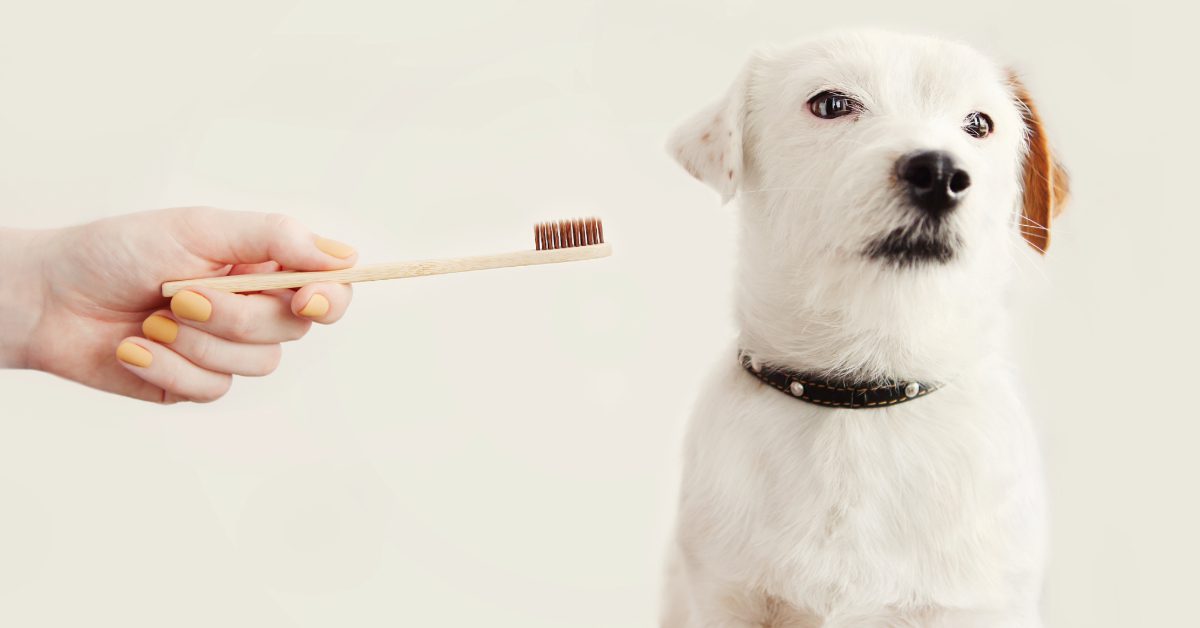
Why Learning How to Brush Dog’s Teeth Matters
Dental disease is one of the most common health issues our veterinarians see at Highland Pet Hospital, and most of it is preventable. Plaque builds up on a dog’s teeth within just 24 to 36 hours, and if it isn’t removed, it hardens into tartar that can only be removed with a professional cleaning. This is exactly why knowing how to brush a dog’s teeth at home is one of the most valuable habits a pet owner can build. Regularly brushing a dog’s teeth slows this process down significantly, which means fewer dental procedures, fresher breath, and a healthier mouth overall.
Beyond fresh breath, understanding how to brush dog’s teeth and doing it consistently helps prevent:
- Gum inflammation and periodontal disease
- Tooth loss and painful abscesses
- Bacteria entering the bloodstream, which can affect the heart and kidneys
Many pet owners assume dental problems are simply a normal part of aging, but a large share of the dental disease Highland Pet Hospital treats could have been slowed or avoided with routine brushing started earlier in a dog’s life.
How Often to Brush a Dog’s Teeth
Once you know how to brush dog’s teeth correctly, the next question is frequency. Veterinary dentists generally recommend brushing a dog’s teeth daily, or at minimum three to four times per week, to meaningfully reduce plaque buildup. Brushing less frequently than that (say, once a week or less) provides some benefit but won’t keep pace with how quickly plaque hardens into tartar.
If daily brushing isn’t realistic for your household right away, Highland Pet Hospital recommends starting with every other day and gradually working up to a daily habit. Consistency matters more than perfection when it comes to how to brush dog’s teeth effectively. A dog whose teeth are brushed four times a week, every week, will have healthier teeth than one brushed daily for two weeks and then forgotten about for a month.
What Age Should You Start Brushing a Dog’s Teeth?
The earlier, the better. Puppies as young as eight weeks old can begin getting used to having their mouth handled, even before all their adult teeth come in. Introducing how to brush dog’s teeth early in a puppy’s life helps them view tooth brushing as a normal, non-threatening part of life rather than something new and stressful introduced later. Older dogs can absolutely learn the process too; it simply may take a bit more patience and a slower introduction.
What You’ll Need Before You Start
Before you attempt to brush your dog’s teeth, gather the right supplies. Human toothpaste is never appropriate for dogs, as it often contains xylitol and other ingredients that are toxic to pets. Having the right tools on hand makes the process of how to brush dog’s teeth far smoother from the very first session.
Here’s what you’ll need:
- A dog-specific soft-bristled toothbrush or finger brush
- Enzymatic dog toothpaste in a pet-friendly flavor
- Treats or praise for positive reinforcement
- Patience, especially during the first few sessions
How to Brush a Dog’s Teeth Step by Step
Once you have your supplies, the process of how to brush dog’s teeth follows a fairly simple sequence. The key is to move slowly and let your dog get comfortable at each stage rather than rushing straight to a full brushing session.
- Let your dog taste the toothpaste first. Offer a small amount on your finger so they associate the flavor with something positive.
- Touch the lips and gums. Gently lift your dog’s lip and rub a finger along the gumline for a few seconds.
- Introduce the toothbrush. Once your dog is comfortable with steps one and two, add the toothbrush and use small circular motions along the outer surfaces of the teeth.
- Focus on the gumline. This is where plaque accumulates most, so angle the brush at about 45 degrees toward the gum.
- Work in short sessions. Aim for 30 seconds per side rather than a long, drawn-out session that may cause stress.
- End on a positive note. Praise your dog and offer a treat immediately afterward.
Repeating these steps consistently is really the heart of how to brush a dog’s teeth successfully over the long run. Dogs respond well to routine, and the more predictable the process feels, the calmer they tend to be at each session.
What If My Dog Won’t Let Me Brush Their Teeth?
Some dogs resist tooth brushing at first, and that’s normal. If your dog pulls away or seems anxious, go back a step in the process and spend more time simply getting them used to having their mouth touched. Short, frequent, low-pressure sessions tend to work better than infrequent long ones when you’re first figuring out how to brush a dog’s teeth with a reluctant pet. If your dog continues to struggle after several weeks of gradual introduction, our team at Highland Pet Hospital can offer guidance tailored to your dog’s temperament during a wellness visit.
Common Mistakes to Avoid When Brushing a Dog’s Teeth
Even well-intentioned pet owners can run into a few common pitfalls when learning how to brush dog’s teeth. Being aware of these can save both you and your dog some unnecessary stress:
- Moving too quickly through the introduction steps before your dog is ready
- Using human toothpaste, which can be toxic to dogs
- Brushing too hard, which can irritate the gums instead of protecting them
- Skipping sessions inconsistently, which slows progress and makes each attempt feel unfamiliar again
Avoiding these mistakes makes the entire process of how to brush dog’s teeth go more smoothly for both of you.
Signs Your Dog May Need Professional Dental Care
Even with regular brushing, dogs still benefit from periodic professional dental evaluations. Watch for these signs between visits:
- Persistent bad breath despite regular brushing
- Visible tartar buildup or discolored teeth
- Bleeding, swollen, or receding gums
- Reluctance to chew or eating on one side of the mouth
If you notice any of these signs, it’s a good idea to schedule an exam with Highland Pet Hospital so our veterinarians can assess whether a professional cleaning is needed.
Making Tooth Brushing a Lasting Habit
Learning how to brush dog’s teeth is only half the equation. Sticking with it is what actually protects your dog’s health long term. Pairing brushing with an existing routine, like right before bedtime, helps it stick as a habit rather than something you have to remember separately. Many pet owners at Highland Pet Hospital find that once they’ve mastered how to brush a dog’s teeth and built it into their evening routine, their dogs actually start to look forward to it, especially with a flavor they enjoy.
If you have questions about your dog’s dental health or want a hands-on demonstration of how to brush dog’s teeth correctly, our veterinary team at Highland Pet Hospital in Lakeland is happy to help during your dog’s next wellness visit. Call us at (863) 644-6634 or make an appointment today.
Recent Posts
About Us
At Highland Pet Hospital in Lakeland, FL, we provide full-service veterinary care, including wellness services and advanced reproductive care led by a board-certified theriogenologist. For more than 30 years, we’ve proudly served pets across Central Florida with a focus on compassionate, personalized care backed by advanced medical technology.