
Most dental disease in pets develops quietly. What starts as mild plaque buildup can progress below the gumline, where infection and discomfort often go unnoticed. By the time signs like bad breath or difficulty eating appear, the problem is usually more advanced.
Professional cat and dog teeth cleaning in Lakeland, FL helps remove that hidden buildup, treat existing disease, and protect your pet’s long-term health. These visits are also an opportunity to identify issues early, before they lead to pain or tooth loss. Our experienced veterinarians at Highland Pet Hospital can help restore your pet’s dental health, and then protect it after a professional cleaning.
Contact us at (863) 644-6634 or book your appointment online to schedule a dental evaluation.
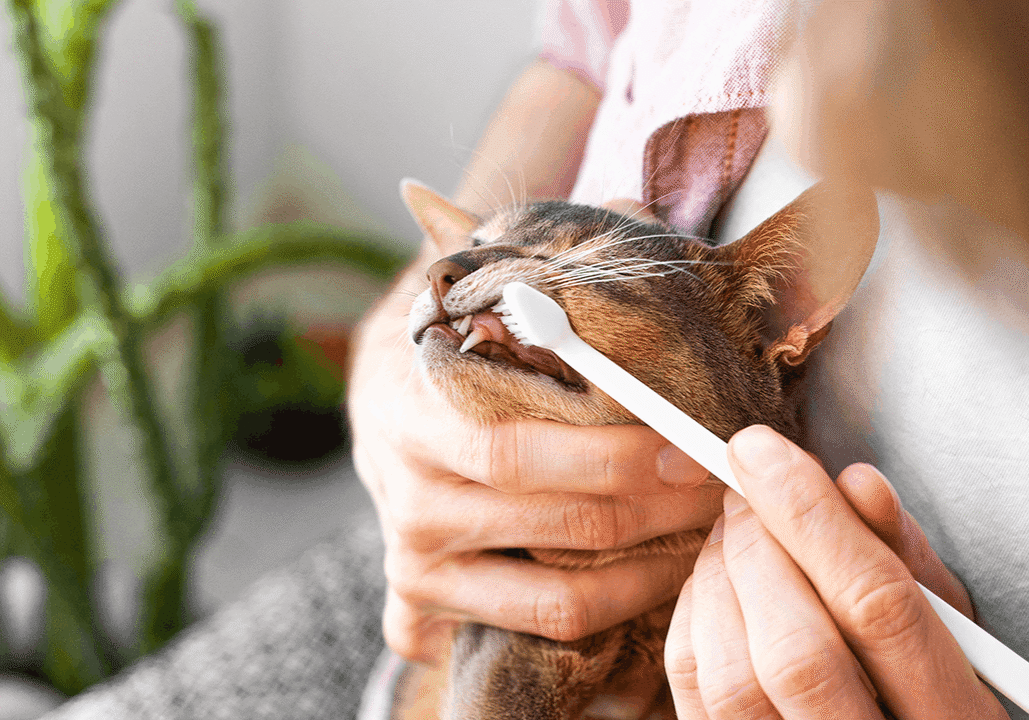
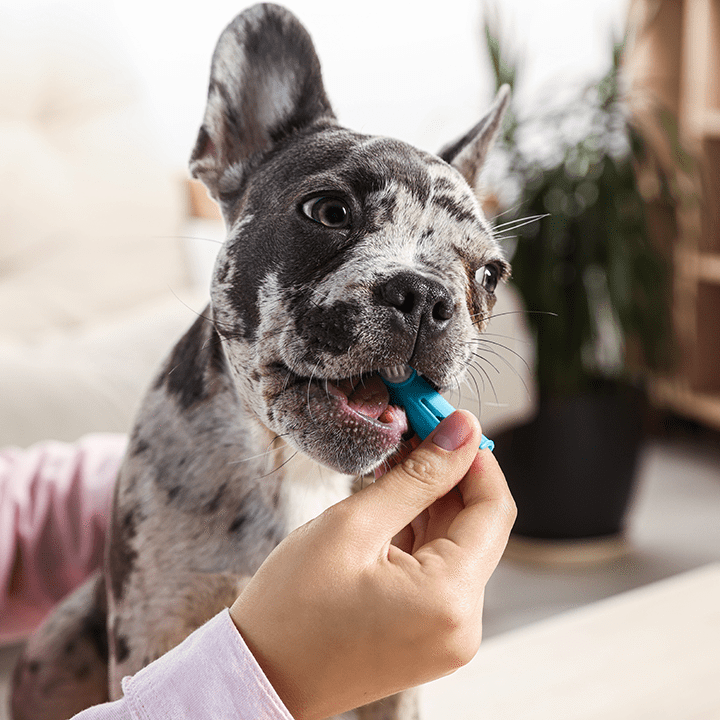
How Does Dental Disease Affect Pets?
Dental disease affects much more than just your pet’s breath and mouth. This serious condition can also impact their overall health. As plaque hardens into tartar, bacteria collect along and beneath the gumline. Over time, this can lead to periodontal disease, which damages the tissues supporting the teeth.
Without treatment, dental disease can cause:
-
Persistent inflammation and oral pain
-
Gum recession and loose or missing teeth
-
Difficulty chewing or changes in eating habits
-
Infection that may spread through the bloodstream to organs like the heart, liver, and kidneys
Because much of this process happens below the surface, pets may continue to eat and behave normally while disease progresses.
What Happens During My Pet’s Dental Cleaning?
A professional dental cleaning allows for a complete evaluation and treatment of your pet’s oral health.
During the procedure, your pet will be placed under anesthesia so we can safely and thoroughly examine the mouth.
Your pet’s dental care may include:
-
A full oral exam, including areas below the gumline
-
Digital dental X-rays to evaluate tooth roots and surrounding bone
-
Removal of plaque and tartar above and below the gumline
-
Polishing to smooth the tooth surface and slow future buildup
-
Treatment of diseased teeth, including extractions if necessary
Dental X-rays are especially important, as many dental problems are not visible during a routine exam. This allows us to identify infection, bone loss, or damage early.
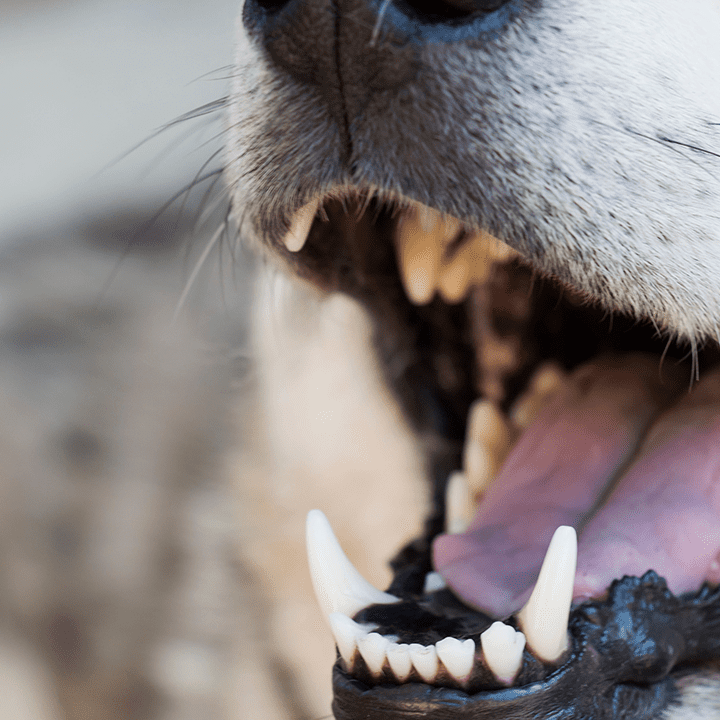
What Should I Expect After My Pet’s Teeth Cleaning?
Most pets recover quickly and are back to their normal routine within a day or two. We take time to explain what to expect so you feel comfortable supporting your pet’s recovery.
After your pet’s cleaning:
-
Mild grogginess from anesthesia is expected the same day
-
If extractions were performed, you’ll receive detailed home care instructions
-
Temporary diet changes may be recommended to support healing
-
Follow-up care may include rechecks or at-home dental recommendations
A Healthier Mouth Can Change How Your Pet Feels Every Day
Many pets show noticeable improvements after dental care, such as better appetite, more energy, and less discomfort. With regular oral exams, teeth cleanings, and at-home care, your pet will have not only fresher breath, but a healthier smile and body.
If it’s been a while since your pet’s last dental exam, or you’ve noticed changes in their breath or eating habits, give us a call at (863) 644-6634 or request an appointment online.